
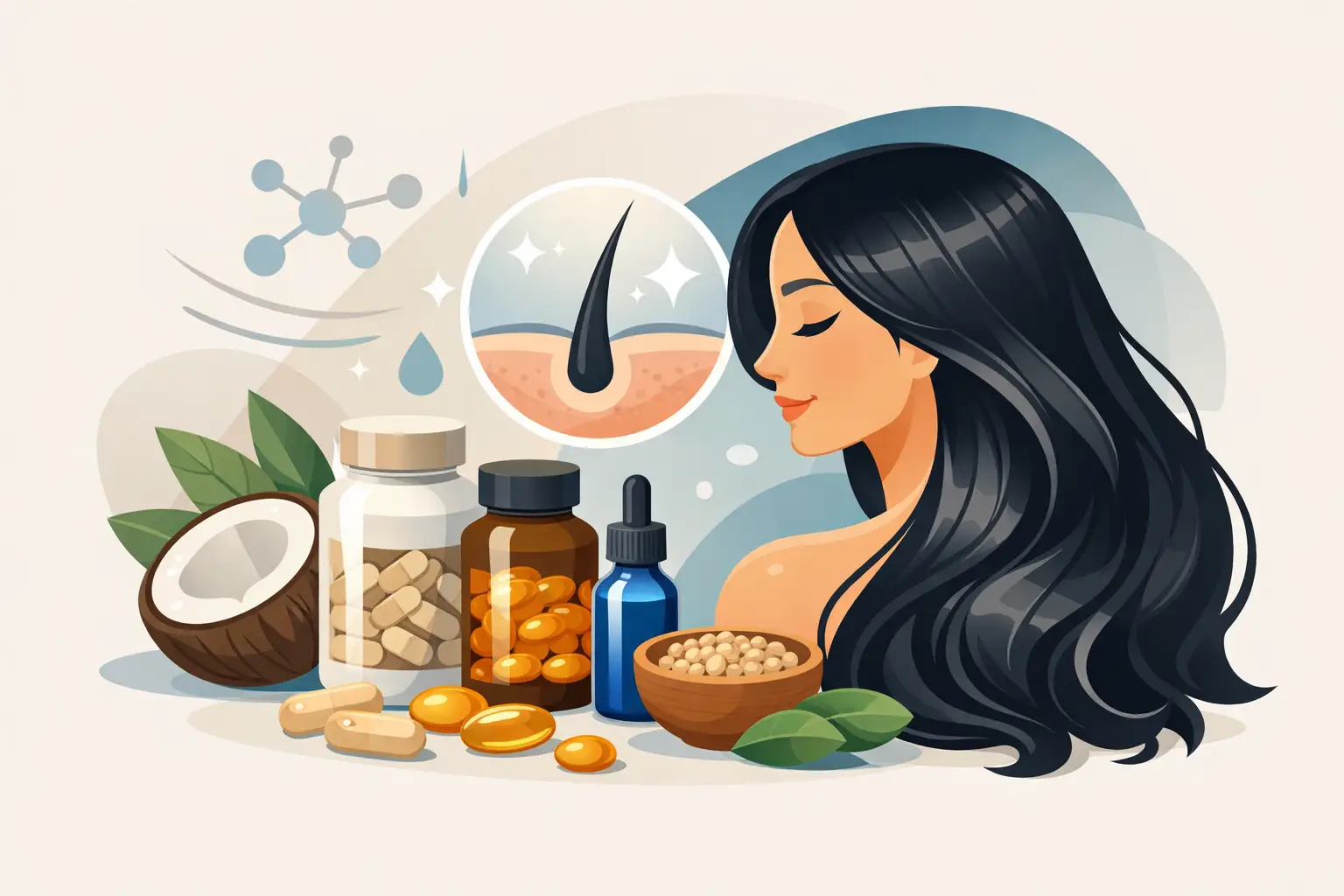
Hair that snaps easily, sheds more than usual, or refuses to grow past a certain length can make every shower and brush feel frustrating. The best supplements for hair strength are not magic fixes, but the right nutrients can help when poor intake, restrictive dieting, hard training, stress, or an underlying deficiency is affecting the growth cycle.
Hair is made primarily of keratin, a structural protein. That means healthy hair starts with enough total calories, protein, vitamins, and minerals – not simply the most heavily marketed “hair formula” on the shelf. A targeted supplement routine can be useful, especially for busy professionals, active people, and anyone whose diet has gaps. The key is matching the supplement to the likely reason your hair needs support.
Hair follicles are active tissues with a high demand for nutrients. When the body is under-fueled, recovering from illness, dealing with major stress, or short on key micronutrients, it may prioritize more immediate functions over hair growth. This can show up as increased shedding several weeks or months after the trigger.
Supplements work best when they correct a shortfall. If your protein, iron, zinc, or vitamin D status is already adequate, taking increasingly high doses is unlikely to create dramatically thicker hair – and in some cases may create new problems. More is not automatically better.
Before buying a broad stack, consider the basics. Have you recently cut calories aggressively? Are you skipping protein at meals? Do you follow a vegetarian or vegan diet without planned nutrient coverage? Are you experiencing fatigue, heavy menstrual bleeding, digestive issues, sudden shedding, scalp irritation, or changes in weight? Those details can help determine whether a supplement is sensible or whether it is time to speak with a healthcare professional.
Protein is the most practical starting point for many active adults. Since hair is largely protein, consistently under-eating protein can contribute to weaker strands and shedding. This is particularly relevant during a fat-loss phase, when appetite is low, or when training volume is high.
A quality whey, whey isolate, plant protein, or collagen-containing blend can make it easier to close the gap, but it is not necessary to rely on shakes alone. Eggs, fish, lean meats, Greek yogurt, tofu, legumes, and soy foods all count. Your ideal intake depends on body size, training, age, and overall calorie intake. For regular strength trainers, a protein-focused diet is already valuable for muscle recovery and can support hair nutrition at the same time.
Choose a protein powder based on tolerance and routine. Whey is convenient and rich in essential amino acids. Plant protein is a strong option for dairy-free shoppers, especially formulas that combine sources such as pea and rice protein. The goal is consistency, not chasing a specialty label.
Iron is essential for oxygen delivery and normal cell function, and low iron stores are a well-known contributor to hair shedding in some people. Menstruating women, pregnant individuals, frequent blood donors, people who avoid red meat, and those with certain digestive conditions may be at higher risk.
Iron is not a casual add-on. It can cause constipation, nausea, and other side effects, and excess iron can be harmful. If you have unexplained shedding along with tiredness, shortness of breath, pale skin, or poor exercise tolerance, ask a clinician about blood work rather than self-prescribing a high-dose iron product. A tested deficiency gives you a clear reason, dose, and timeline for supplementation.
Vitamin D supports many functions beyond bone health, including normal immune and cellular activity. Low levels are common in people who spend most of their day indoors, use sun protection consistently, have darker skin, or get limited sun exposure during certain seasons.
Research has found an association between low vitamin D status and some forms of hair loss, though that does not mean vitamin D will solve every case of thinning. It is most useful when a deficiency is confirmed or strongly suspected. A simple blood test can provide direction. Avoid mega-doses unless they are prescribed, since vitamin D is fat-soluble and can accumulate.
Zinc is involved in protein synthesis, tissue repair, and normal follicle function. A deficiency can contribute to hair changes, but high-dose zinc over long periods can interfere with copper absorption and may create its own issues.
People with limited dietary variety, poor appetite, digestive disorders, or diets low in seafood, meat, dairy, nuts, seeds, and legumes may benefit from reviewing zinc intake. Many well-formulated multivitamins provide a moderate amount, which is often more appropriate than taking a separate high-dose zinc product indefinitely.
Biotin is probably the best-known hair supplement ingredient, yet true biotin deficiency is uncommon in otherwise healthy adults. It can occur with certain medical conditions, very limited diets, prolonged use of some medications, or heavy raw egg-white consumption, but most people do not need large biotin doses for hair strength.
There is another practical concern: high-dose biotin can interfere with some laboratory tests, including certain thyroid and heart-related tests. If you use a biotin supplement, tell your healthcare provider before blood work. For most shoppers, a balanced multivitamin or hair formula with a sensible dose is a more measured choice than an extreme-strength biotin product.
Omega-3 fatty acids are not a direct cure for hair loss, but they can be a useful addition to a broader wellness routine. They support heart health and may help support skin barrier function, which matters when a dry, irritated scalp is part of the picture.
Fatty fish such as salmon and sardines are excellent food sources. If fish is rarely on your menu, a reputable fish oil or algae-based omega-3 supplement is a convenient alternative. Look at the actual EPA and DHA amount rather than judging a product only by the total oil quantity.
Collagen peptides have become popular for hair, skin, and nails. The evidence for dramatic hair growth is still limited, but collagen is an easy-to-use protein source and may fit well into a routine for people who struggle to reach protein goals. Vitamin C supports normal collagen formation and also helps the body absorb non-heme iron from plant foods.
Think of collagen as a supporting option, not the foundation of a hair-strength plan. It does not replace complete dietary protein because it is not a complete protein source. Pair it with a balanced diet or another complete protein source rather than treating it as your only shake.
A good formula should be transparent about ingredient amounts and avoid treating a long label as proof of quality. Start by checking whether you actually need a single nutrient, a basic multivitamin, additional protein, or a dedicated hair-and-nails formula. The right choice depends on your diet and symptoms.
Be careful with proprietary blends that hide dosages, very high levels of fat-soluble vitamins, and claims that promise rapid regrowth. Hair growth is slow. Even when a nutrient deficiency is corrected, it can take several months to notice a meaningful change because new hair must move through its natural growth cycle.
For active adults, a simple approach is often the most effective: meet protein needs, use a multivitamin when dietary consistency is difficult, add vitamin D or iron only when appropriate, and address scalp care, sleep, and calorie intake. Good Life Nutrition House focuses on reputable brands and clearly labeled formulas, making it easier to choose products that support a real goal rather than a marketing trend.
Sudden patches of hair loss, scalp pain, scaling, severe itching, rapid thinning, or shedding that continues for months deserves medical attention. Hormonal changes, thyroid conditions, autoimmune concerns, genetic pattern hair loss, medication effects, and scalp disorders need more than a nutrition product.
The same applies if shedding began after childbirth, a high fever, surgery, a major emotional event, or a rapid weight-loss period. These triggers can cause temporary shedding, but identifying the cause helps set realistic expectations. A dermatologist or qualified healthcare professional can assess your scalp, medical history, and relevant blood markers.
Give your hair the same practical support you give your training: fuel it consistently, choose supplements for a clear reason, and allow enough time for good habits to show results.