
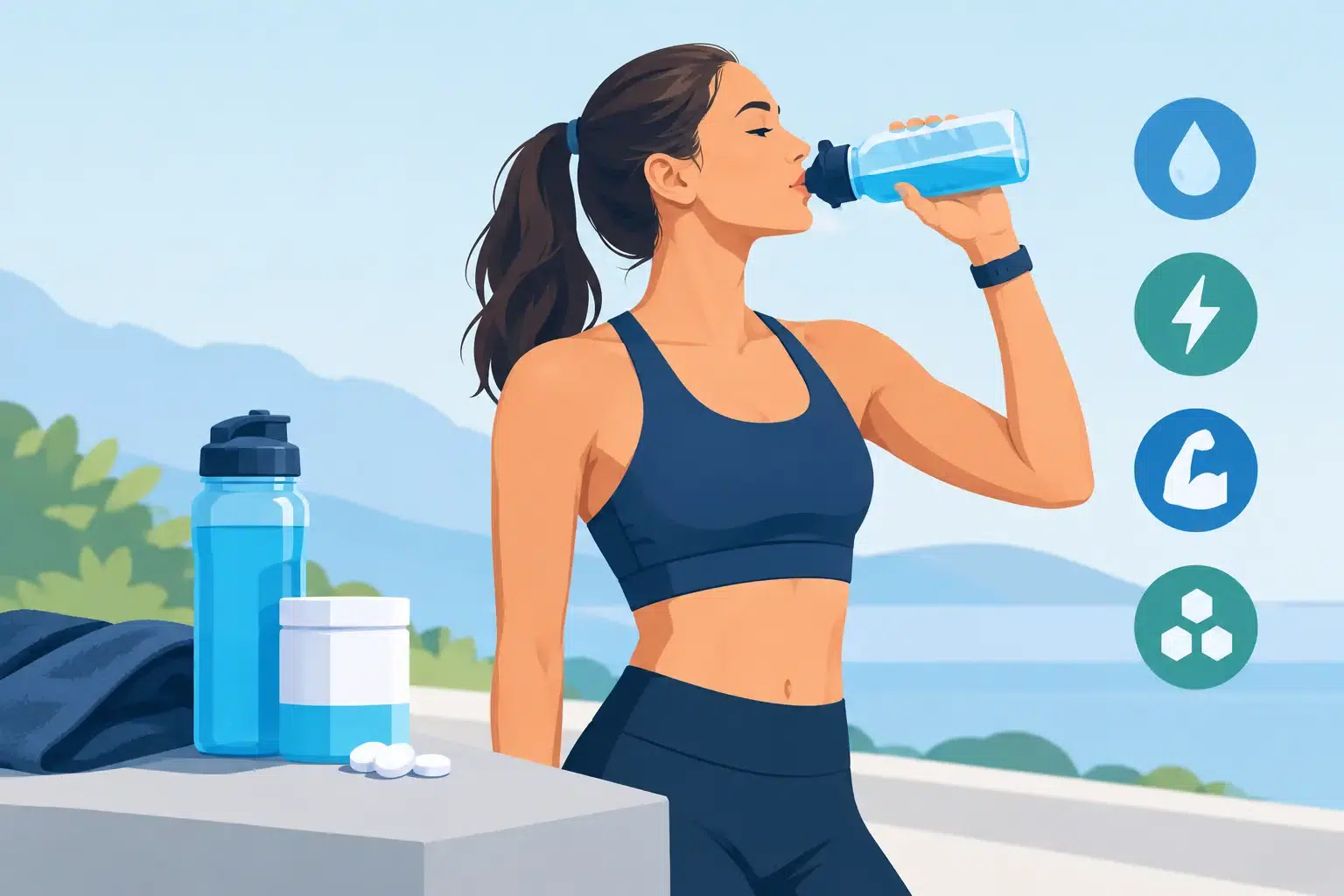
A hard session can unravel quickly when sweat loss outpaces your hydration plan. Heavy legs, a pounding headache, cramps, and a sudden drop in focus are not always signs that you need more motivation. They can be signs that fluid and sodium are no longer keeping up. So, when should athletes take electrolytes? The practical answer is before, during, or after exercise when sweat losses are meaningful – but the right timing depends on your session length, intensity, environment, and personal sweat rate.
Water remains essential, but it is not always the complete solution. Sweat contains water and electrolytes, especially sodium, which helps regulate fluid balance, nerve signaling, and muscle contraction. Replacing large amounts of plain water during prolonged, sweaty training can leave you feeling flat and may dilute blood sodium in extreme situations. A well-planned electrolyte strategy helps you train with more consistency and finish strong.
Electrolytes are most useful when exercise lasts longer than about 60 minutes, when training is intense, or when conditions make you sweat heavily. A humid outdoor run, a long ride, a football practice, and a packed gym session in a warm room can all increase your need.
They also make sense for athletes who notice salt marks on clothing, stinging sweat in their eyes, frequent post-training headaches, or a large drop in body weight after exercise. These clues do not replace individualized advice, but they suggest you may be losing a substantial amount of sodium.
For a short, easy workout in comfortable conditions, regular meals and water are usually enough. There is no performance advantage in forcing electrolyte drinks into every 30-minute lifting session. The goal is to match intake to demand, not to make hydration more complicated than it needs to be.
Taking electrolytes before exercise can be helpful when you know you will train hard, train long, or sweat heavily. This is particularly useful for early-morning athletes who have not had much to eat or drink since the night before, and for anyone heading into hot, humid conditions.
Have an electrolyte drink with water in the hour or two before your session, alongside a normal meal or snack if it fits your schedule. You do not need to overload sodium just before every workout. Think of pre-training electrolytes as preparation for a known challenge: a long-distance event, a two-hour field session, a hot outdoor workout, or multiple training sessions in one day.
A pre-workout containing caffeine is not automatically an electrolyte product. Caffeine can support alertness and performance for many athletes, but it does not replace sodium and fluid. If you use a stimulant-based pre-workout, make sure your hydration plan still stands on its own.
During exercise is where electrolytes often matter most. For endurance sessions lasting beyond 60 to 90 minutes, steady fluid and sodium intake can help maintain hydration status and make drinking easier to tolerate. Long runs, cycling, hiking, team-sport tournaments, combat-sport training, and extended gym sessions with significant sweating are common examples.
Rather than waiting until you feel depleted, sip consistently throughout the session. Thirst is useful feedback, but it can lag behind your needs when you are focused on pace, technique, or competition. A bottle mixed with electrolytes gives you a convenient way to replace some of what is leaving through sweat.
Carbohydrates may also matter during longer work. An electrolyte drink with carbohydrates can be a smart choice for endurance training because it provides fuel as well as fluid and sodium. For lower-intensity sessions or athletes managing calorie intake, a sugar-free electrolyte formula may be the better fit. Neither option is universally superior. Match the formula to the work you are doing.
Post-workout electrolytes are valuable after a very sweaty session, especially if you need to recover quickly for another workout, practice, or competition. They can support rehydration when paired with fluids, a meal, and adequate protein and carbohydrates.
A useful check is your body weight before and after training. If you finish noticeably lighter, you have likely lost fluid. Replacing fluids gradually over the next several hours, along with sodium from food or an electrolyte product, is usually more effective than chugging a huge volume of plain water immediately after exercise.
Recovery is not only about what happens in the shaker bottle. A balanced meal with protein for muscle repair, carbohydrates to replenish energy, and naturally sodium-containing foods can do a great deal of the work. Electrolytes are a targeted tool, not a replacement for daily nutrition.
Strength athletes often assume electrolytes are only for runners. That is not necessarily true. A 45-minute strength session in an air-conditioned gym may only call for water, but high-volume leg training, conditioning circuits, sauna use, or a long session in a hot facility can produce substantial sweat loss. If your performance drops sharply late in these sessions, hydration is worth reviewing alongside sleep, food intake, and programming.
Endurance athletes usually need a more deliberate approach because they are active long enough for sweat losses to accumulate. Practice your drink plan in training, not for the first time on race day. Your gut needs practice too. The most concentrated drink on the shelf is not helpful if it feels heavy or causes stomach distress at race pace.
Team-sport athletes have another challenge: repeated bursts of high intensity and limited access to fluids. Start practices and games well hydrated, then use breaks to take in manageable amounts of fluid and electrolytes. Tournament days, doubleheaders, and hot-weather preseason training are situations where preparation can make a visible difference.
For outdoor athletes, weather can change the equation fast. Hong Kong’s heat and humidity are a good reminder that sweat does not need to evaporate well for you to lose large amounts of fluid. If clothing is soaked and the air feels oppressive, treat the session differently than a cool-day workout of the same duration.
General advice is a starting point, not a prescription. Two athletes can complete the same workout side by side and lose very different amounts of sweat and sodium. Genetics, acclimatization, body size, clothing, pace, and environmental conditions all play a role.
A simple sweat-rate check can help. Weigh yourself with minimal clothing before a one-hour workout, track how much you drink, then weigh yourself again afterward. Each pound lost is roughly equivalent to 16 ounces of fluid, before accounting for what you drank. Repeat this on a few different training days to spot patterns rather than relying on one result.
You do not need to replace every ounce while exercising. Trying to drink beyond comfort can cause sloshing, nausea, and unnecessary bathroom stops. Use the information to build a realistic plan: drink enough to limit excessive loss and support performance, then complete recovery afterward.
Sodium should be the first mineral you assess because it is the electrolyte lost most heavily in sweat. Potassium, magnesium, and calcium also have roles in normal muscle and nerve function, but a product with impressive magnesium marketing and very little sodium may not meet the needs of a heavy sweater.
Consider the format you will actually use consistently. Powders make it easy to adjust concentration and are convenient for regular training. Tablets are compact for travel and long rides. Ready-to-drink options are practical when you need something immediately after a workout. Flavor matters as well: if you dislike the taste, you will not drink enough of it.
Read the label with your overall diet in mind. Athletes with high blood pressure, kidney disease, heart conditions, or fluid restrictions should speak with a qualified healthcare professional before intentionally increasing sodium or using electrolyte supplements regularly. The same applies if you experience persistent dizziness, fainting, severe cramps, or unusual symptoms during exercise.
Good Life Nutrition House helps athletes compare reputable electrolyte options by training goal, ingredients, and format, so you can choose a product that supports your routine without guesswork.
Your best electrolyte plan should feel simple in practice. Use water and balanced meals as your foundation, add electrolytes when sweat losses justify them, and test your approach before the day your performance matters most. That preparation can help you feel steady, capable, and ready to power through the final set, mile, or quarter.