
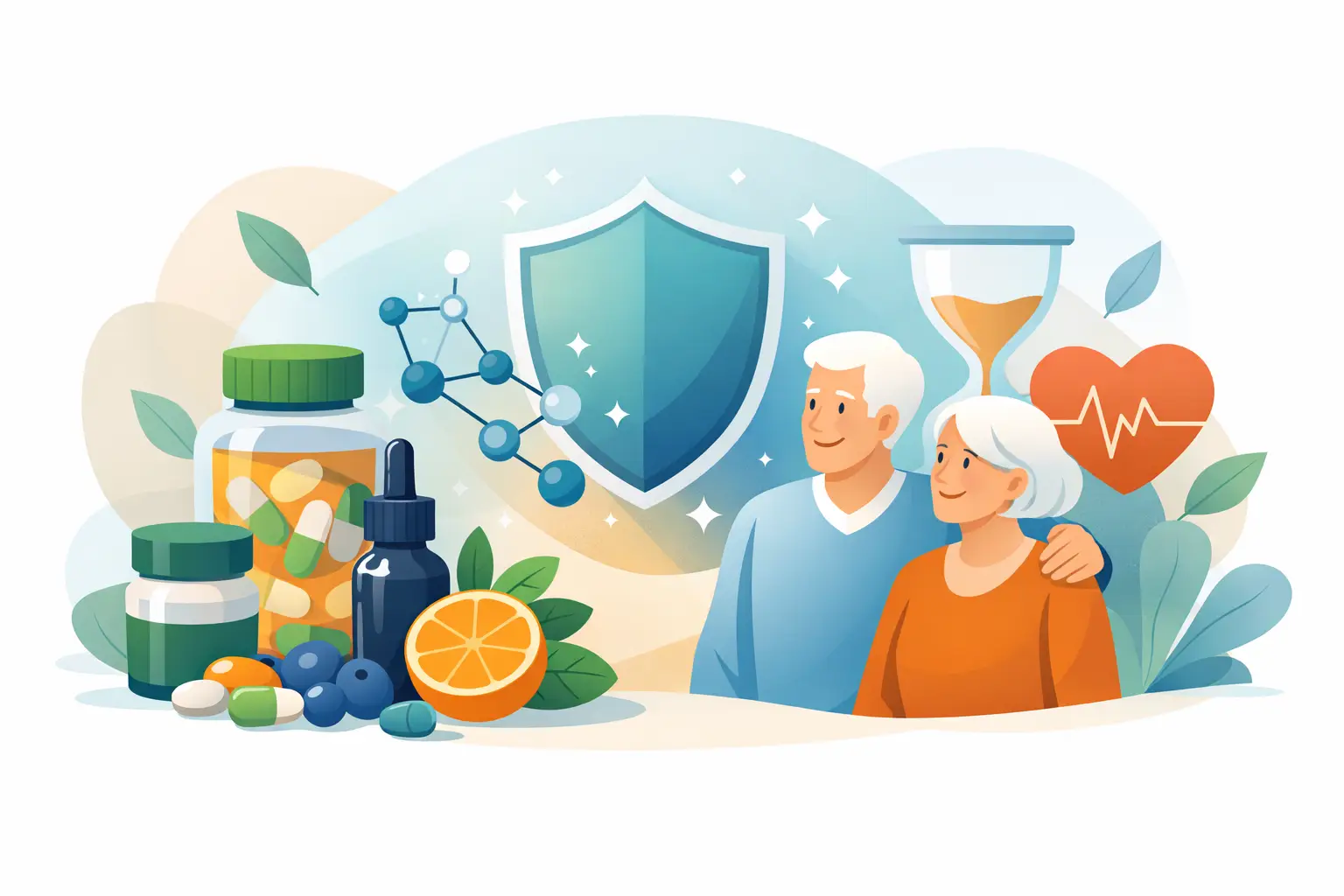
Aging well is not about chasing one miracle ingredient. It is about protecting the habits, tissues, and energy systems that help you train, work, recover, and feel like yourself for longer. Antioxidant supplements for healthy aging can be a useful part of that plan, but they work best when they fill a real nutritional gap rather than replace a nutrient-rich diet, quality sleep, and regular movement.
For active adults, the appeal is easy to understand. Hard training, work stress, poor sleep, pollution exposure, alcohol, and highly processed diets can all increase oxidative stress. The goal is not to eliminate oxidative stress completely. Your body uses controlled oxidative signals for immune function, exercise adaptation, and normal cell communication. The goal is to support the body’s own defenses so those signals do not become excessive over time.
Antioxidants are compounds that help neutralize unstable molecules known as free radicals. Free radicals are produced naturally when the body creates energy, responds to exercise, fights infection, and processes environmental exposures. When their production outpaces the body’s protective systems, oxidative stress may contribute to cellular damage and inflammation.
Your body already makes important antioxidants, including glutathione and enzymes such as superoxide dismutase. Food supplies additional support through vitamins, minerals, and plant compounds. Colorful fruits and vegetables, nuts, beans, tea, coffee, herbs, olive oil, cocoa, and seafood all contribute different antioxidant compounds. That variety matters because antioxidants do not all work in the same place or through the same pathway.
A supplement is not a substitute for eating vegetables. It is a targeted tool. For someone whose diet is inconsistent, whose calorie intake is restricted, or whose training and work schedule makes nutrition harder to manage, the right formula may help support a more complete foundation.
The best choice depends on your diet, medications, health history, training load, and specific goals. A broad approach is usually smarter than taking very high doses of a single antioxidant because aging is influenced by many systems, including cardiovascular health, metabolic health, muscle mass, brain health, sleep, and inflammation balance.
Vitamin C is water-soluble and supports antioxidant activity, collagen formation, immune function, and iron absorption from plant foods. It is commonly found in multivitamins and daily wellness formulas. Most people can get substantial amounts from produce, but supplementation can be practical when intake is low.
Vitamin E is fat-soluble and helps protect cell membranes from oxidative damage. It is found naturally in nuts, seeds, and vegetable oils. High-dose vitamin E is not automatically better and may not be appropriate for everyone, particularly people taking blood-thinning medication. A balanced multivitamin or moderate-dose formula is often a more sensible starting point than megadosing.
Carotenoids are the pigments behind the red, orange, and yellow colors in many plants. Common examples include beta-carotene, lycopene, lutein, and zeaxanthin. These compounds are often selected for skin, eye, and general cellular support.
Lutein and zeaxanthin are especially relevant for people who spend long hours in front of screens or want to support eye health as they age. Lycopene, found in tomatoes, is another popular option in healthy-aging formulas. These ingredients work best as part of a broader nutrition pattern, not as permission to skip produce.
One important exception: smokers and former heavy smokers should speak with a healthcare professional before using high-dose beta-carotene supplements. Large supplemental doses have raised safety concerns in these groups.
CoQ10 is not technically a vitamin, but it plays a central role in cellular energy production and also acts as an antioxidant. Levels can decline with age, and some people taking statin medications discuss CoQ10 with their clinician because those medications may affect its production.
For adults focused on daily energy, heart health, or maintaining an active lifestyle, CoQ10 can be a practical option. It is fat-soluble, so taking it with a meal that contains dietary fat may improve absorption. As with any supplement, medication use should guide the decision.
Polyphenols are a large family of plant compounds found in berries, grapes, green tea, cocoa, turmeric, and many herbs. Their benefits extend beyond directly neutralizing free radicals. They may also influence cell-signaling pathways involved in inflammation, circulation, and the body’s own antioxidant defenses.
This category is appealing because it reflects how people actually eat for long-term health: variety, color, and plant foods. Berry concentrates, green tea extracts, grape seed extracts, and curcumin formulas can be useful additions, but quality and dosage matter. Concentrated green tea extracts, for example, are not ideal for every person and can interact with medications or cause problems when used improperly.
Gym-goers often assume that more antioxidants mean better recovery. The reality is more nuanced. Resistance training and endurance exercise create temporary oxidative stress, and that stress helps trigger adaptation. Very high-dose antioxidant supplementation around every workout may blunt some training signals in certain situations.
That does not mean athletes should avoid antioxidants. It means the strategy should match the goal. A food-first diet with plenty of plants, adequate protein, hydration, carbohydrates for demanding sessions, and recovery-focused sleep remains the priority. Moderate daily support may make sense, while aggressive single-ingredient dosing specifically to erase post-workout soreness is less convincing.
If you are training hard while dieting for fat loss, traveling frequently, or managing a demanding schedule, a well-designed multivitamin, fruit and vegetable blend, or targeted formula may offer convenient support. It should complement your protein, creatine, electrolytes, and recovery nutrition rather than compete with them.
Supplement labels can make almost every product sound essential. Focus on transparency and fit instead. Look for brands that clearly disclose ingredient forms and amounts, avoid proprietary blends that hide meaningful doses, and follow quality manufacturing standards. Be cautious with products that promise to reverse aging, detox every organ, or deliver dramatic results in days.
Consider whether a single nutrient or a combination formula makes more sense. A basic multivitamin may be enough if your objective is nutritional insurance. A formula with lutein and zeaxanthin may better suit eye-health support. CoQ10 may be more relevant for cellular energy or heart-health discussions. A polyphenol-rich plant blend may appeal if your diet lacks colorful produce.
Also check for overlap. Stacking a multivitamin, immune formula, greens powder, pre-workout, and separate antioxidant capsule can lead to unnecessarily high intakes of the same nutrients. Keep your routine organized and review the total amount across all products.
Antioxidant supplements are not risk-free simply because they are associated with healthy foods. High doses can cause side effects, interfere with medications, or be inappropriate for certain conditions. Vitamin C may be an issue for people prone to kidney stones. Vitamin E, curcumin, green tea extracts, and other ingredients may require caution with anticoagulants or antiplatelet drugs. People receiving cancer treatment should discuss antioxidant supplements directly with their oncology team, since timing and type can matter.
Pregnant or breastfeeding individuals, people with chronic medical conditions, and anyone taking prescription medication should get personalized advice before starting a new product. This is especially true if you are combining several formulas.
A smart healthy-aging plan is less glamorous than a giant supplement shelf, but it is far more effective. Build meals around protein and fiber, eat a range of deeply colored plants, maintain muscle through resistance training, include cardiovascular work, protect sleep, manage alcohol intake, and use sun protection. These choices influence health far more consistently than any capsule.
Then use supplements with a clear purpose. At Good Life Nutrition House, that means choosing reputable products that fit your goal, not buying the most complicated stack. A moderate, quality-focused antioxidant formula can support your routine, especially when busy weeks make perfect nutrition unrealistic.
The best time to start supporting healthy aging is not when you feel old. It is when you can still make small, repeatable choices that help you feel strong, energized, and capable for the years ahead.